
Saïdia Tourism
Caisse de Dépôt et de Gestion Group, the leading institutional investor in Morocco, and Pierre & Vacances-Center Parcs Group, the European leader in local tourism and leisure activities, have signed a strategic partnership aimed at accompanying the development of major tourism resorts in Morocco, as planned under the Vision 2020 framework and based on two shared convictions:
- The development of Resorts and Tourism Residences integrating a comprehensive range of leisure activities provides clear value added in terms of tourism appeal, as a complement to hotel offerings.
- The high growth potential of Morocco generated by the development of Family and Leisure Resorts meets considerable demand from both national and international clients.
In addition to the Resort currently being developed in Marrakech, the two groups have decided to extend the scope of their partnership to other sites in the country, namely Taghazout and Saïdia.
Saïdia
The Saïdia resort located in the north-east of Morocco on the Mediterranean coast, currently has three five-star hotels, tourism residences, an 18-hole golf course, a Marina and a shopping centre.
In the Saïdia resort, the CDG/Pierre & Vacances-Center Parcs partnership concerns a Pierre & Vacances village with 400 units due to be built in synergy and as a complement to other components and facilities at the heart of the station including a water park, a leisure park and a conference centre, which are to be developed in parallel by the CDG subsidiary, Société de Développement de Saïdia (SDS).
morocco culture,moroccan food,morocco food,moroccan cuisine,morocco beaches,moroccan meal,beaches in morocco,moroccan culture,hercules cave,hercules cave morocco

Day Trips from Rabat
Day Trips from Rabat
While Rabat, Morocco, has not necessarily established itself as a major tourist destination, this pleasant metropolitan city is a great home base for exploring Morocco’s more modern sites. Morocco’s capital city lacks the hustle and bustle of other Moroccan cities, making it a great place to stay for families traveling with children. Rabat’s medina is rather quiet yet authentic so you take your young ones shopping in the souks without too much worry about losing them in the crowds
There are plenty of sites to see in Rabat like the ancient city of Sale Colonia and Rabat’s most famous landmark, Le Tour Hassan, plus there are many popular historical sites within an easy traveling distance from Rabat.
Once you’ve explored Rabat, consider taking several day trips to one of these neighboring sites to get more of a feel for Moroccan culture.
Located within an easy hour’s drive from Rabat, Casablanca is one of Morocco’s favorite tourist destinations. Inspired by French colonialism, Casablanca is more modern and more open to Western ways than other places in Morocco. Take a walking tour through the Marche Central and spend the afternoon sipping tea at one of Casablanca’s many hip cafes. Make sure to explore the old city’s medina, the newly gentrified shopping district of Quartier Harbous and the Hassan II Mosque—the fifth largest mosque in the world.
On the way to Casablanca, you can stop off at one of the beautiful beaches that line the Atlantic Coast. Bouznika is one of the trendiest beach towns located between the two cities, complete with luxurious golf resorts. Bouznika is also a popular surf spot, especially in the winter when the surf is especially consistent.
Rabat’s neighboring city of Sale is a fun place to explore. With winding streets, narrow alleyways and old medina houses, Sale looks more like a traditional Moroccan village than a literal suburb of the modern Rabat. Conservative dress is more appropriate in Sale compared to the other cities near Rabat, so if you don’t want to stand out in Sale, dress more conservatively and avoid wearing short skirts or tank tops.
Just eight miles southwest of Rabat is the peaceful seaside town of Temera. The Temera Plage is a long coastal area divided up into many sandy beaches perfect for both surfing and sunbathing. You can also visit Termera’s Grand Mosque and the many quaint markets you will find around town. Great for children, the Temera National Zoological Park houses hundreds of species of birds and many mammals like elephants, lions and gazelles.
morocco culture,moroccan food,morocco food,moroccan cuisine,morocco beaches,moroccan meal,beaches in morocco,moroccan culture,hercules cave,hercules cave morocco
Saidia
Saidia was barely a dot on the tourist map. This small coastal town between the Algerian border and Spanish Melilla is in the process of being transformed into one of the Mediterranean’s most visited beach resorts. The grand vision includes development plans for five full-scale seaside resorts, Saidia being one of the first.
While on package holiday to Morocco, the day is best started in Saidia with a sunrise breakfast, deep sea fishing in the nearby bay Cap de l’Eau, or a lazy morning sleep-in followed by a stroll on the eight-mile stretch of white sand beach. In this seaside town, activities are mostly focused on the sand and sea. You can spend your morning exploring dive wrecks, taking a sailing lesson or soaking up the Mediterranean rays. If you happen be in Saidia during June, you may be able to catch a glimpse of the annual sailing regatta.
A laid-back lunch could be taking a picnic on the beach or dining at one of the many restaurants at the 160-venue Medina Saidia commercial area. Built in the style of a traditional Moroccan city, Medina Saidia is a pedestrian area lined with shops, outlets and restaurants. There you’ll also find Marjane supermarket where you can stock up on snacks, drinks or groceries if you plan to cook and eat in or host your own barbecue at your rented condo or beach house.
If you’d like to spend your afternoon off the beach, consider exploring the town’s restored 16th-century Kasbah, visiting the bird preserve bordering Saidia or playing a round of golf on one of the three 18-hole courses. Golf lessons are also available. Take a day trip to the urban center of Oujda where you can shop Moroccan fashions, walk the tree-lined promenade or browse local music at the CD shops. Oujda is a place where you can feel the hustle and bustle of Moroccan markets, sample local cuisine and attend live musical performances.
In the evening, take a sunset promenade to ogle at the private yachts at Saidia’s 850-mooring marina, relax at one of the luxury clubhouses or listen to classical Berber music at a beachfront hotel. If you visit in August, you may be able to catch Saidia’s annual summer music festival, which you can read more about on our Morocco blog using the search feature..
morocco culture,moroccan food,morocco food,moroccan cuisine,morocco beaches,moroccan meal,beaches in morocco,moroccan culture,hercules cave,hercules cave morocco
HOLIDAY APPARTMENT FOR RENT IN SAIDIA, Morocco
HOLIDAY APPARTMENT FOR RENT IN SAIDIA, Morocco
The property is inside Mediterranean Saidia Urbanization. Apartment of 97 m2 with air condicioned, 2 bethrooms, 2 bathrooms and fully equiped kitchen. It has a terrace of 18m2 and a private garden (30 m2). There are two commun swiming pools, and big community gardens.
There are also 3 golf courses, a Marine and a commercial Medina with stores, restaurants, ...
ituado al noreste de Marruecos, en la costa Mediterránea, Saïdia es conocida como la perla azul de la costa mediterránea marroquí. Es un área con una gran belleza natural, y la ciudad es conocida por sus enormes y bellas playas de arena blanca. Saïdia tiene una gran tradición turística en la Costa Mediterránea de Marruecos. Las maravillosas playas situadas en la costa de Saïdia, hacen de Mediterrania Saïdia un lugar ideal para alquilar un apartamento o villa para sus vacaciones.
El complejo Mediterrania Saida ofrece un enclave estratégico para realizar distintas excursiones por el país. Melillia está solo a una hora y media en coche.
Mediterrania Saïdia está especialmente diseñado para los amantes del golf ya que actualmente cuenta con 1 campo de golf de 18 hoyos, El Palmeral que esta justo al lado de la urbanizacion AP6 donde esta ubicado el apartamento.
Su puerto deportivo es uno de los mas grandes y lujosos del Mar Mediterráneo.
También hay un área dentro del complejo que se compone de restaurantes, tiendas, bares, discotecas, bancos,…..
morocco culture,moroccan food,morocco food,moroccan cuisine,morocco beaches,moroccan meal,beaches in morocco,moroccan culture,hercules cave,hercules cave morocco
Moroccan Architectural Patterns
Moroccan Architectural Patterns
Still, sleek, modern designs are being constructed in cities like Rabat and Casablanca that give no particular homage to any of the past Moroccan architecture,Geometric patterns are also commonly found in the architecture of Morocco. Noteworthy buildings to visit while in Morocco would include the Royal Palace.
Moroccan Shapes, Colours, and Designs

One of the reasons I wanted to visit Morocco was because of its incredible architecture and colours. What I didn’t realize was how delicate and detailed all the work truly is. The extravagance of the country is brought to life through the deep and contrasting colors incorporated in the designs. So what types of Moroccan designs are there?
Moroccans put a lot of hardwork and time into the beauty that are their mosques, palaces, gardens, and walls. From the horseshoe arched doorways and gates to deep green and indigo blue tilework. To help better visualize some of these details and showcase the splendor, here are a list of some of the MAIN materials and styles of architecture used across Morocco.
Stucco

Intricate designs in patterns carved into plaster. They also incorporate Islamic calligraphy into the patterns. This takes hours to carve and a very delicate hand but the outcome is incredible. You find this on walls, around doorways, on gates, and on ceiling arches.
Carved Cedarwood

Beautiful motifs of flowers and leaves, Arabic words and phrases, and other designs. This is an extremely common sight as most doors are made of carved cedarwood. Also found on panels, walls, fountains and doorways.
Zellij Tilework

Colourful, individually shaped tiles arranged in geometric patterns, mostly in the shape of stars. This vibrant mosaic is found on floors and walls in both Mosques and every day houses.
Darj w Ktaf Pattern

A flower-like pattern pointing upwards usually in an emerald green shade. This pattern can be found on schools and Mosques.
Carved Copper

Copper and Bronze are cut-out in geometrical patterns which emit light as they are mainly used as lanterns and lamp shades. The Copper can be natural, painted black or any other colour. Sometimes coloured glass is inserted into the copper to provide accents.
Painted wooden ceilings

Hand-painted traditional designs in star and flower-like patterns. These are found on most ceilings in Mosques, Palaces, and in some homes. The work is detailed and the colours are complimentary.
These shapes, colours, patterns, and designs are all reasons I was inspired to visit Morocco. Being here has fed me more knowledge on understanding what these motifs are and why they are important. I adore Moroccans dedication to beauty and incorporating it into their everyday lives and homes – It gives everywhere a very unique and grand feel. The greens, blues, yellows, and browns. The horseshoe gates, the carved doorways, the tiled floors. There is SO much more to Moroccan design then these patterns, but they give you a good introduction into some of the majestic beauty that is Moroccan design.
morocco culture,moroccan food,morocco food,moroccan cuisine,morocco beaches,moroccan meal,beaches in morocco,moroccan culture,hercules cave,hercules cave morocco
Public holidays in Morocco
Public holidays in Morocco
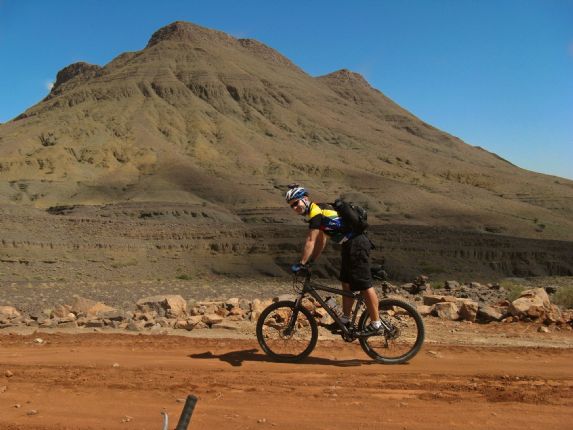
The major 'holiday' to keep an eye on is Ramadan. It is a month of fasting during daylight hours. Consequently, many restaurants do not open during daylight hours. In fact, they only tend to open an hour after sundown so as to allow their staff and family to eat first. Alcohol is very difficult to come by during Ramadan. It is wise to not offend the local's sensibilities by eating and drinking in public during daylight hours.
Islamic Holidays
Islamic religious holidays are calculated on the lunar calendar, so their dates rotate throughout the seasons (as does Ramadan's), losing approximately eleven days a year against the Western (Gregorian) calendar. Exact dates in the lunar calendar are almost impossible to predict - they are actually set by the Islamic authorities in Fes depending on when the new moon is sighted (what do they do if it is a cloudy night ?), it is then announced by the king on TV, radio and in the newspapers the preceding day. For instance Eid-Al-Fitr could be 1st, 2nd or 3rd October 2008 ?
Below I have tried to indicate as near as possible the future, approximate dates for the Islamic Holidays, unless you specifically want to visit during one of these periods, they're possibly best avoided, as all banks, post offices and most shops close on the main holidays, as do many restaurants, public transport will sometimes also be affected, and basically the site of Fadesa grinds to a halt !
- 22 August 2009 / 11 August 2010 / 1 August 2011 - Ramadan (start)
Ramadan is the Muslim month of fasting, and Moroccans are forbidden by law from "public disrespect" of the fast during daylight hours and a few people are jailed for this each year.
- 20 September 2009 / 10 September 2010 / 30 August 2011 - Eid-Al-Fitr
The end of Ramadan when Muslims celebrate the end of fasting and thank Allah for His help with their month-long act of self-control. Very family orientated holiday.
- 28 November 2009 / 17 November 2010 / 6 November 2011 - Hajj (start) / Eid-Al-Adha
The annual pilgrimage to Mecca that Muslims should complete at least once in their lifetime. It celebrates the willingness of Ibrahim to obey Allah and sacrifice his son Isaac and culminates in the ritual slaughter of a lamb.
- 18 December 2009 / 7 December 2010 / 26 November 2011 - Al-Hijira / Moharem
Islamic New Year's Day. Marks the migration of the Prophet Mohammad and his followers from Mecca to Medina.
- 7 January & 27 December 2009 / 16 December 2010 - Ashura
Islamic holy day observed on the 10th of the Islamic month of Muharram. Shi'ite. Muslims regard it as a major festival marking the martydom of the Prophet's grandson, Hussein.
- Monday 9 March 2009 / 26 February 2010 / 15 February 2011 - Moulid an Nabi (Birthday of the Prophet Mohammed)
Shia Muslims celebrate this 5 days later. Some Muslims do not approve of celebrating the birthday, and regard doing so as a religious innovation.

General Public Holidays (Fetes nationales)
In addition to the Islamic holidays there are the secular fetes nationales, all also celebrated to some extent, and these are tied to the Western calendar dates:
January 1st - New Year's Day.
January 11th - Anniversary of Istiqlal Manifesto (demand of Independence).
May 1st - Labour Day.
July 30th - Feast of the Throne (largest secular holiday, usually over two to three days) - commemorates the accession to the throne of King Mohammed VI.
August 14th - Allegiance of Oued Eddahab - celebrates the return of the region to Moroccan rule, it was once claimed by Mauritania.
August 20th - King & People's Revolution.
August 21st - King's Birthday & Youth Day.
November 6th - Anniversary of the Marche Verte - Green March of the Saharawi People 'reclaiming' the Western Sahara in November 1975.
November 18th - Independence Day
We look forward to assisting you.
The SaidiaHolidayRentals crew.
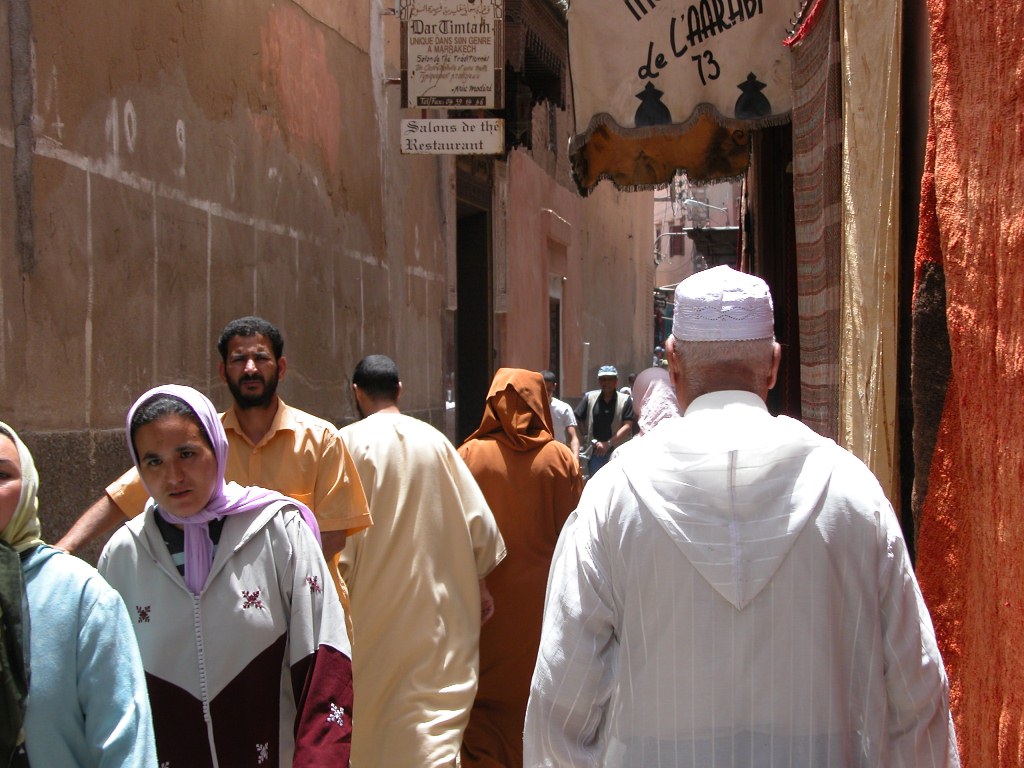
morocco culture,moroccan food,morocco food,moroccan cuisine,morocco beaches,moroccan meal,beaches in morocco,moroccan culture,hercules cave,hercules cave morocco
Ramadan & Islamic Holidays In Morocco
Ramadan & Islamic Holidays In Morocco

Ramadan, considered as the most important holiday in Islam, happens on the ninth month of the twelve month lunar calendar followed in Islam. These lunar months are twelve days shorter than the Gregorian calendar, so Ramadan occurs earlier in each Gregorian year.
During Ramadan, a holy holiday, all Muslims fast from sunrise to sunset for one month, only eating after sundown. Non-Muslims are not expected to observe Ramadan, but should be sensitive about not breaking the fast in public. In its observance, Ramadan parallels the traditional Christian Lent. The ninth month of the Islamic calendar, it commemorates the time in which the Koran was revealed to Muhammad. The Ramadan fast involves abstention from food, drink smoking and sex during daylight hours throughout the months. It is forbidden to even drink water.
During the times when you are allowed to eat, it is important to only eat healthy and nutritious things good for your body. The point of Ramadan is to show devotion to Allah and to become a master in self-discipline.
There are a few groups that are exempt from Ramadan, but are expected to make up the days during a later time. These groups include menstruating and postpartum women, pregnant and breast-feeding women, travelers and anyone who feels sick or weak. In addition, children before puberty do not have to fast, although many do so to practice for half the day.
Most of the local cafes and restaurants close during the day during Ramadan, some closing for the entire month. For this reason, tourists are not recommended to travel to Morocco during this holy month. At sunset signaled by the sounding of a siren and the lighting of lamps in all city minarets an amazing sense of calm takes over the streets as the fast is broken for the day.
Traditionally the fast is broken with a bowl of harira and dates. At the breaking of the fast, everyone in the cities and villages spend their evenings celebrating with food and entertainment. The end of Ramadan is celebrated with Aïd es Seghir (Aïd el Fitr, Eid ul-Fitr or Id-Ul-Fitr) a two-day holiday.
While Ramadan may seem like a perplexing holiday to non-Muslims, non-believers may be surprised to learn how much Muslims look forward to the fast. Many feel it is a time of spiritual healing and cleansing. Post Ramadan, many Muslims participate in Shawwal, a six day fast following Aïd el Fitr (Eid ul-Fitr or Id-Ul-Fitr).
Islamic Holidays Morocco
Aïd el Kebir – This holiday is the Moroccan equivalent of the New Year in Western Culture. This “grand festival” also known as Aid el Adha takes place 68 days after Aid es Seghir, commemorates the day that when by divine order Abraham prepared to sacrifice his son Ismail, when Allah interceded by providing a ram in place of a child. Every household sacrifices a sheep and shares the meat at a family meal. In Berber villages families celebrate by putting on their best clothes and the women adorn themselves in Henna. Each fortified village and family opens their home to other families and children offering almonds and mint tea to others who come to celebrate. Children in villages often go from house to house to wish each family “Umbalid.” (Happy New Year)
Moharem– This is a cultural event which Muslims observe on the first day of Moharem, the first month in the Islamic calendar. Many Muslims use the day to remember the significance of this month, and the Hijra, or migration, Islamic prophetMoharem made to the city now known as Medina. Recently, many Muslims have begun exchanging cards and gifts on this day, though this is not commonly done. Since the Islamic lunar calendar year is 11 to 12 days shorter than the solar year, Muharram migrates throughout the seasons.

Mouloud– The Prophets birthday, this holiday is widely observed with a large number of moussems timed to take place in the weeks around it.
Ashorou – This holiday marks the day when a music festival is held thirty days after Aïd el Kebir when people in cities and villages gather together to play traditional instruments and songs. The streets are filled with music and in villages boatmen come to place candelabras full of flaming candles at the Marabout of Sidi Abdallan ben Hasson. Families traditionally gather together to have special meals and offer zakat or a tenth of their annual income to the poor. Street celebrations, bonfires, and fireworks are other common ways of celebrating. Children take the celebrations to the street during the Achoura Festival. Most of them are waiting in anticipation for the big day of Zem Zem. Sharing a name with a well in Mecca, children are free to spray other children and adults with water. The final component of Achoura Festival is the offering of zakat.
Mouloud Moussems Morocco
Moussems are held in honor of saints or marabouts. They are local and rural celebrations for most Moroccans, primarily for the Berbers.
Meknes: Ben Aissa moussem – This is the largest moussem and includes a spectacular fantasia (charge of horses with riders firing guns) held near Place el Hedim in the city of Meknes. For the two festival days each April, white, conical circus like tents are set up in the towns square and a cross between a circus and a medieval style jousting tournament is held. Horses charge in rows with riders firing guns from the saddles, while illusionists, jugglers and glass swallowers perform in the tents. These celebrations spring from a time when the Moussem of Sidi Ben Aissa was a time for the gathering of the Aissoua brotherhood of priests who were renowned for their ability to perform death defying acts while under trances. There is also music, singing and dancing, market souks and a party atmosphere. The main celebrations take place around the tomb of Ben Aissa, the founder of the Aissoua Sufi Brotherhood. Ben Aissa moussem takes place in April each year.
Salé,Rabat: Wax Candle moussem– This festival centers on a procession of wax candle, large latern-light creations, carried from Bab el Rih to the Grand Mosque on the eve of the Mouloud. The candle holders are followed by a variety of brotherhoods that dance and play music. The Wax Candle moussem takes place in April each year.

morocco culture,moroccan food,morocco food,moroccan cuisine,morocco beaches,moroccan meal,beaches in morocco,moroccan culture,hercules cave,hercules cave morocco
Subscribe to:
Comments (Atom)